Through the program, I gained a deeper understanding of how leadership, advocacy, and cross-sector collaboration can create meaningful change. I now approach my work with a more intentional focus on long-term outcomes, recognizing that small decisions made at the property level can contribute to stronger communities, expanded pathways to homeownership, and more equitable housing opportunities.
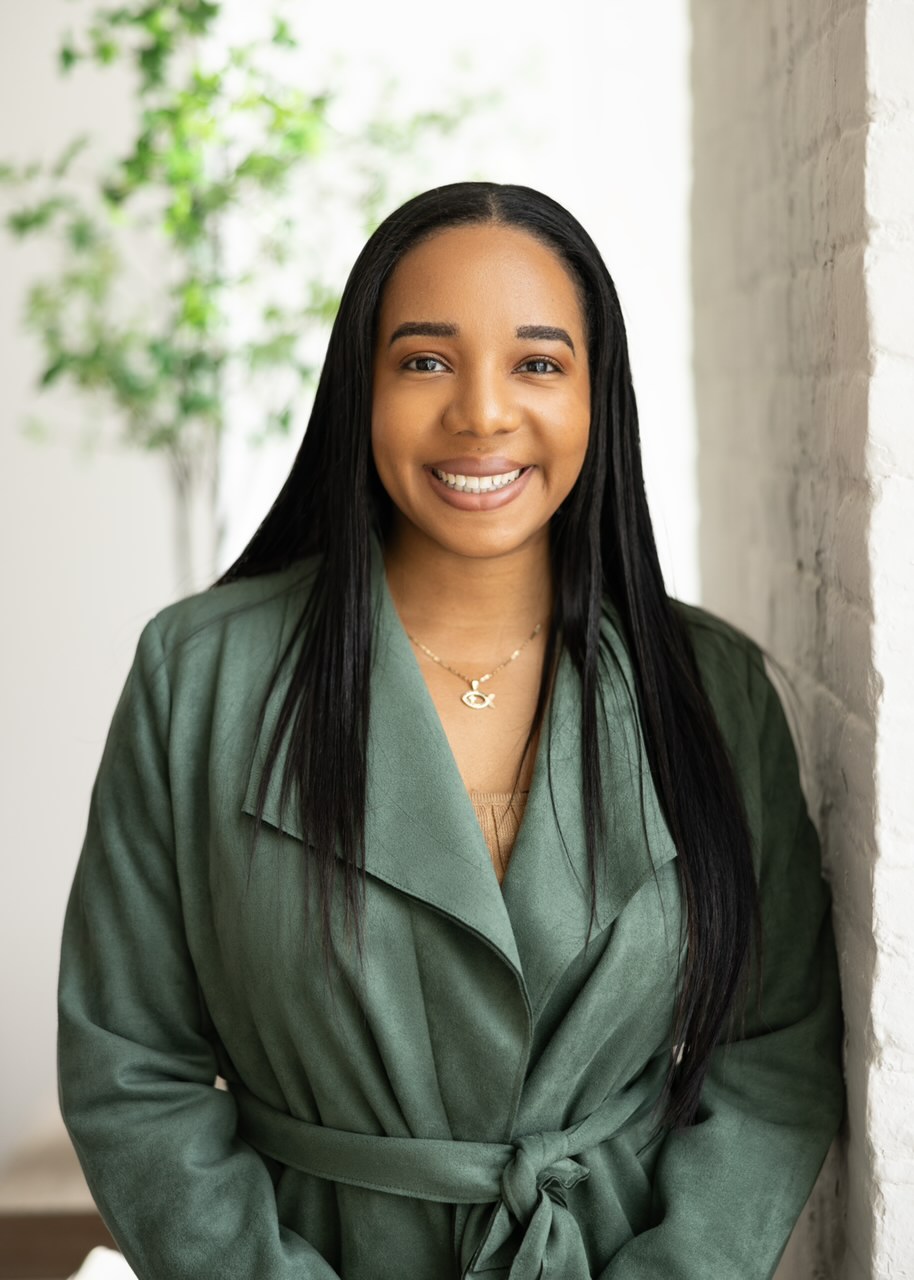
To offer a firsthand look at the program’s impact, the HCDLI is proud to uplift Clarissabeth Heredia, 2025 Hartford cohort alum, who shares how the HCDLI shaped her leadership journey and supported her professional growth within the housing and community development field.
1. Tell us a little about yourself – your background, professional journey, and a bit of what inspired you to join the Housing and Community Development Leadership Institute.
Hello, my name is Clarissabeth Heredia. I am a business developer specializing in residential property management and leasing, with over 15 years of experience. My career now has centered on leasing newly developed buildings, building strong tenant relationships, and leading neighborhood-based initiatives that promote long-term economic mobility through education, partnerships, and community-driven solutions.
I joined the Housing and Community Development Leadership Institute program in 2025 to further develop my leadership skills, deepen my understanding of equitable housing policy, and collaborate with other leaders who are equally committed to building stronger, more inclusive communities. The program provided an opportunity for me to translate my on-the-ground experience into systems-level impact advancing housing access, expanding homeownership opportunities, and supporting sustainable community development.
Equally important, I was inspired to join HCDLI to build meaningful relationships and expand my network with professionals across sectors who share a passion for community-centered growth and equity.
2. How did the program influence the way you see your role in shaping your community?
The program influenced the way I see my role in shaping my community by helping me connect my day-to-day work in property management and leasing to the broader systems that impact housing access, equity, and neighborhood stability. It reinforced that my role is not only transactional, but also influentially positioned at the intersection of policy, residents, and community development.
Through the program, I gained a deeper understanding of how leadership, advocacy, and cross-sector collaboration can create meaningful change. I now approach my work with a more intentional focus on long-term outcomes, recognizing that small decisions made at the property level can contribute to stronger communities, expanded pathways to homeownership, and more equitable housing opportunities.
3. You recently achieved a major milestone - being appointed to your town's Planning and Zoning Commission after applying three times. What motivated you to keep trying?
I was motivated to apply for the Planning and Zoning Board because of my work supporting small businesses and entrepreneurs, and seeing firsthand how zoning, permitting, and land-use decisions can either support or create barriers to local economic growth. Through my experience in property management, business development, and community-based initiatives, I’ve worked closely with small business owners navigating space constraints, mixed-use developments, and regulatory challenges.
Serving on the board allows me to bring a practical, on-the-ground perspective to planning decisions, advocate for policies that encourage small business growth, and support thoughtful development that activates neighborhoods while remaining accessible to local entrepreneurs. My goal is to help shape a built environment where small businesses can thrive alongside housing, contributing to vibrant, sustainable communities.
4. How did your experience in the HCDLI prepare or encourage you to keep pursuing that goal?
My experience in the HCDLI encouraged me to continue pursuing this goal by showing me the real impact that community leadership can have. After watching the film, Fighting For Home: How Housing Policy Keeps Connecticut Segregated, in class, featuring a woman from Middletown, CT who joined her local Housing Commission, I was inspired by how her involvement allowed her to create meaningful change while bringing much-needed diversity to the board. Her story reinforced the importance of stepping into leadership roles at the local level and affirmed my own path in the city of Hartford. It highlighted for me that the Planning and Zoning Commission serves as a critical pillar for shaping our city, supporting housing development, welcoming new businesses, and ensuring sustainable economic growth. HCDLI helped me see that active participation in these spaces is how long-lasting, equitable change truly happens.
5. What does this appointment represent for you personally and professionally?
This appointment represents both a personal and professional milestone for me. Personally, it reinforces my belief that if you want to make a difference in your community, you have to step up and be part of the change, not just talk about it. It’s about actively contributing to the solutions you want to see.
Professionally, my background in business development and real estate allows me to bring a diverse, practical perspective to the Planning and Zoning Commission, one that reflects the needs of small businesses, residents, and the broader community. This role also gives me the opportunity to deepen my understanding of how the city operates, how decisions are made, and why these boards play such a critical role in shaping sustainable and inclusive growth.
6. How do you plan to use your position on the commission to help advance more inclusive and equitable community development?
Over the next three years, I plan to use my position on the commission as a resource for my community. Many individuals looking to start businesses or open restaurants in our city are not always aware of the processes, requirements, or resources available to them. As I become more knowledgeable and connected through this role, I want to help bridge that gap and make the process more accessible.
Through my experience in real estate, particularly in the rental market, I see firsthand how critical it is to continue expanding housing options, including apartments and pathways to homeownership. Advancing inclusive and equitable development means not only building more housing, but also creating opportunities for individuals and families to build generational wealth, whether through homeownership or responsible investment.